You know the Enneagram, but what is Internal Family Systems (IFS)?
And why are so many finding it so powerful in Enneagram and spiritual work?
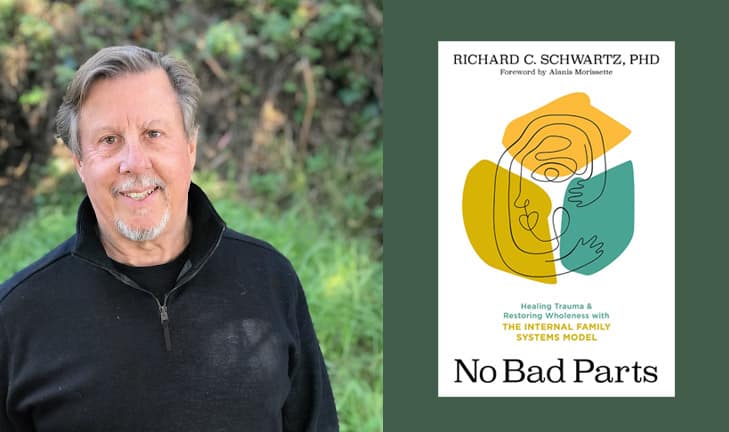
IFS was founded by Richard Schwartz PhD, who was originally trained as a family systems therapist. He worked with adolescents struggling with eating disorders (particularly bulimia and anorexia).
He noticed that even when he worked with the client’s family (the external family), many clients continued to relapse.
This made him wonder: “What is happening inside the client’s own INNER world?”
This is congruent with Leslie’s work with contemplation and mindfulness. The more we practice, the more we encounter the many PARTS inside of ourselves.
The Enneagram points us to the habitual attentional styles of our PATTERN: What do we notice? What do we avoid?
IFS breaks these patterns into parts and offers us a deceptively simply METHOD to work with them by bringing them into consciousness.
WE CONTAIN MULTITUDES
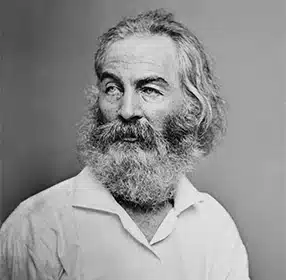
Poet, Walt Whitman
Walt Whitman wrote:
Do I contradict myself?
Very well then I contradict myself,
(I am large, I contain multitudes.)I concentrate toward them that are nigh, I wait on the door-slab.
Who has done his day’s work? who will soonest be through with his supper?
Who wishes to walk with me?Will you speak before I am gone? will you prove already too late?
I kept thinking of this poem as I thought about PARTS.
As Schwartz listened more closely to clients, he began to hear them describe their inner life in terms of “parts.”
• Some parts wanted to binge or starve.
• Others tried to protect them from pain.
• Others criticized them harshly. (Enneagram Ones aren’t the only ones with an Inner Critic).
Instead of dismissing this language as metaphor, Schwartz took it seriously — treating these parts as if they were real subpersonalities with intentions, fears, and roles.
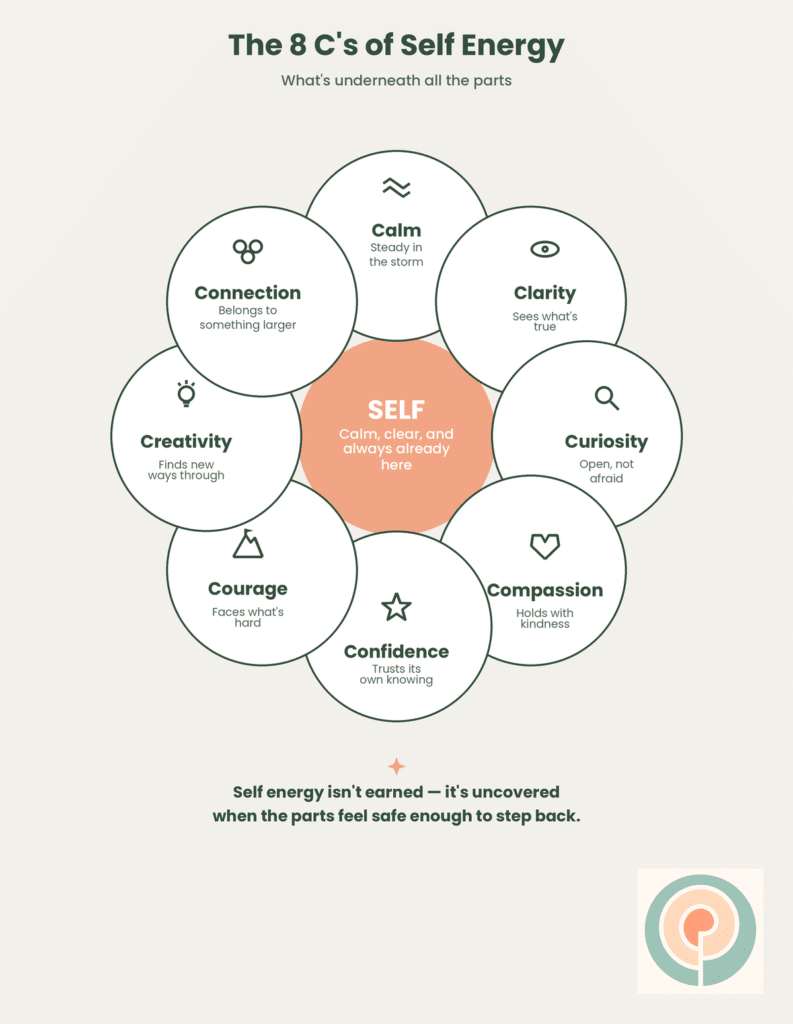
Schwartz discovered that when a client was in “Self Energy,” they had certain qualities. He called them the “8 Cs.”
DISCOVERY OF “SELF ENERGY”
Through this exploration, Schwartz noticed something remarkable which you may have see in Narrative Enneagram panels:
• Beneath all the warring parts, clients sometimes touched into a core Presence — calm, compassionate, confident, curious.
• He called this essence the Self.
• Healing happened when the Self could form a relationship with the parts, rather than the therapist trying to manage them from outside.
This has some intersections with contemplative practice. Beneath our neurotic self talk, we begin to encounter a higher Self energy, deeply connected with what some call God, Reality, Universal consciousness.
THE DEVELOPMENT OF IFS
I didn’t set out to invent a therapy. My clients taught me about their parts and I just listened. Richard Schwartz PhD
It’s an antidote to the modern habit—especially online—of turning people into diagnoses. Where some see pathology, Schwartz saw parts. Where some impose categories, he offered curiosity.
Where some collapse people into their worst behaviors, he listened for the deeper system trying to be seen.
This led me to reflect on the Enneagram. At times, we as Enneagram teachers have fallen into the same trap—using type labels the way others use diagnoses. We eventually realize that whether you’re pathologizing someone with clinical language or flattening them into a single Enneagram type, it’s still a limiting way to work with humans.
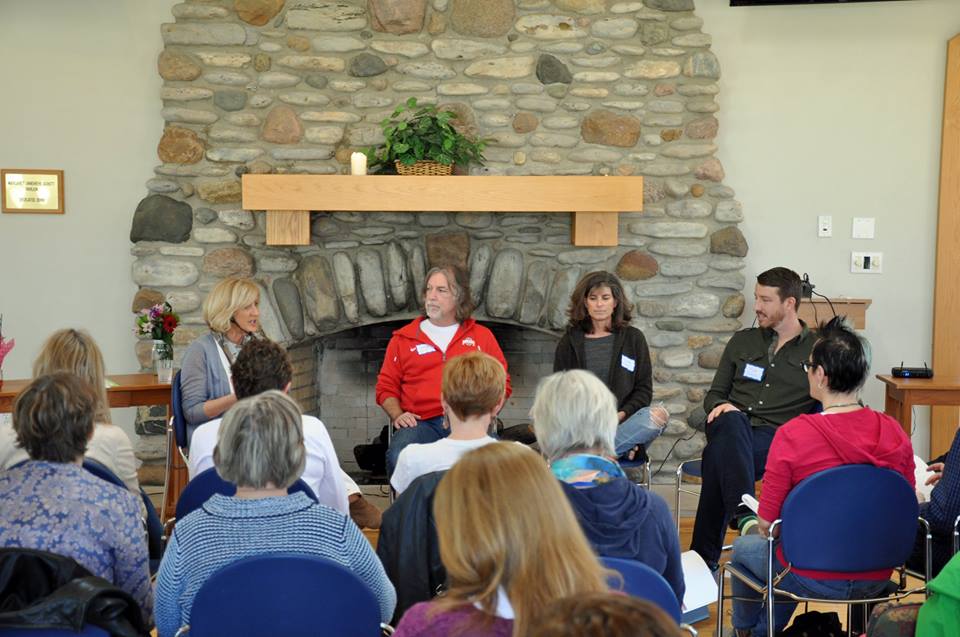
Enneagram Panels Humanize the Enneagram
This is why I’ve always been drawn to Enneagram panels. They re-humanize the work. When real people speak from within their own lived experience—held by receptive, fair witnesses—something deeper than the type structure emerges. We begin to sense the person beneath the pattern, the presence beneath the personality.
I was drawn to Richard Schwartz who has been outspoken about how much of traditional psychotherapy tends to pathologize people, and that concern was a major reason he shaped IFS the way he did.
When I discovered he found IFS through work with people with eating disorders, I was encouraged as I know that anorexia and bulemia are notoriously difficult to treat.
When Schwartz was working with young women with eating disorders in the 1980s, he noticed that:
• Standard models labeled their behaviors as symptoms or disorders.
• Their inner voices (e.g., the “critical” part, the “binge” part) were seen as irrational, destructive, or maladaptive.
But when he actually listened to those voices, he heard that each one carried an intention to help — even if in a distorted way. For example, a bingeing part might be trying to numb unbearable pain; a perfectionist part might be trying to keep someone safe from rejection.
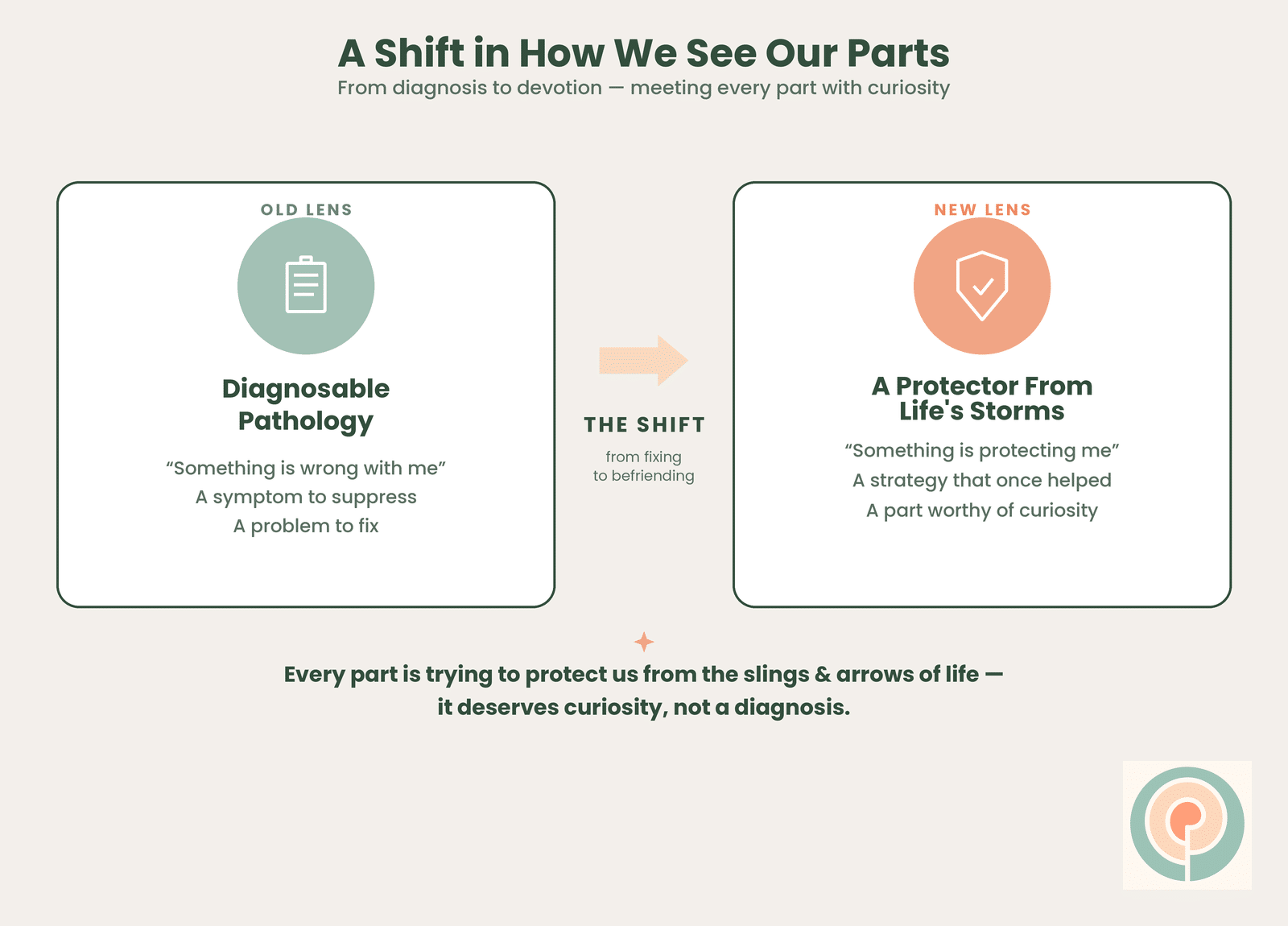 Shift from “pathology” to “protection”
“Psychology has done a great disservice by convincing people that their inner experiences are pathological. When you listen to parts, you discover they are trying to help. They are not disorders — they are protectors.” Richard Schwartz PhD
Rather than labeling these parts as pathological, Schwartz reframed them as protectors.
• They weren’t sick or evil — they were working overtime, often stuck in extreme roles because of trauma or unmet needs.
• In his words, “There are no bad parts.”
This was a radical departure from mainstream psychotherapy at the time, which often emphasized diagnosing and treating “disorders.”
The Self as innate health
Another way Schwartz resisted pathologizing was through the discovery of the Self — the compassionate, calm, clear presence at the core of everyone.
• For Schwartz, Self is never damaged.
• No matter how extreme someone’s parts have become, the Self remains intact.
• Therapy is about restoring relationship between Self and parts, not fixing a broken person.
Schwartz developed IFS because:
• Traditional family systems therapy wasn’t enough to address inner conflict.
• He realized people carry their own “internal families” of parts that interact like members of an external family.
• By mapping those relationships and helping clients access the Self, profound healing and integration could occur.
IFS + Enneagram + 3 Centered Presence
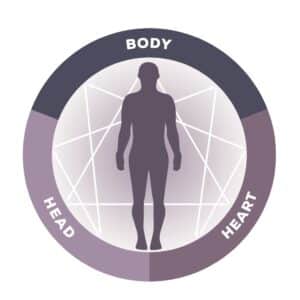
I co-developed The Inner Shift Experience retreat with IFS Expert, Joan Ryan to bring these two powerful systems together.
As we listened to panels of self-aware therapists, coaches, consultants, spiritual directors and practitioners, we heard themes. MAs we interviewed people, we discovered that each Enneagram PATTERN tends to have PARTS that are remarkably similar. AI (imperfectly) drew what this might look like in anEnneagram 8
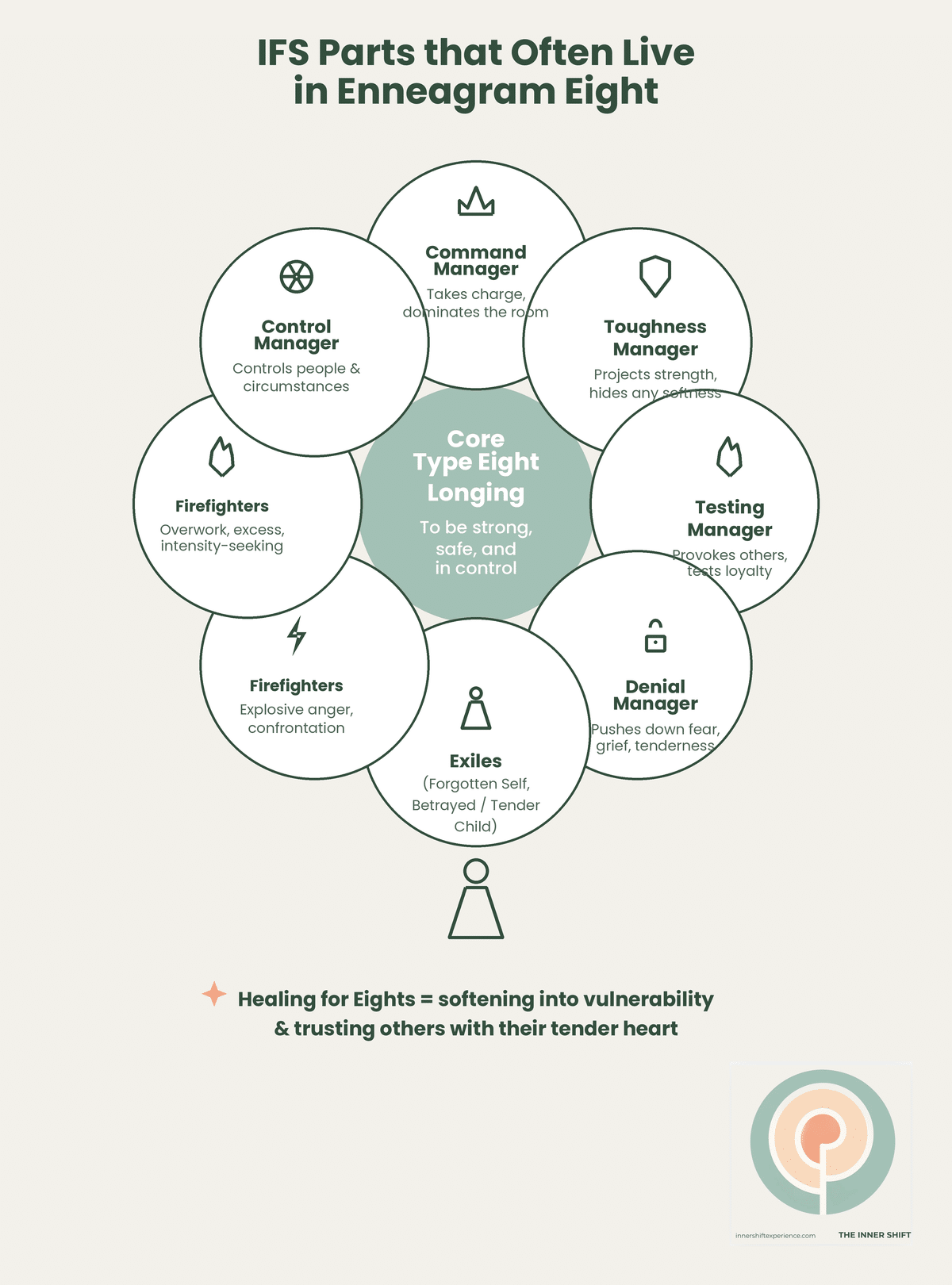
The work is not to try to find prescribed PARTS for you to study and memorize in your MENTAL CENTER. It is learn to become aware of the parts through self-observation. You notice which PARTS seem particularly prominent and you learn to turn towards them with self compassion and curiosity.
If you’re interested in exploring this integration, please check out the Inner Shift Experience intensive.I have partnered with Joan Ryan to bring this integration to intentional practitioners, therapists, coaches, consultants and spiritual directors using the Enneagram and/or IFS in their personal and professional practice.